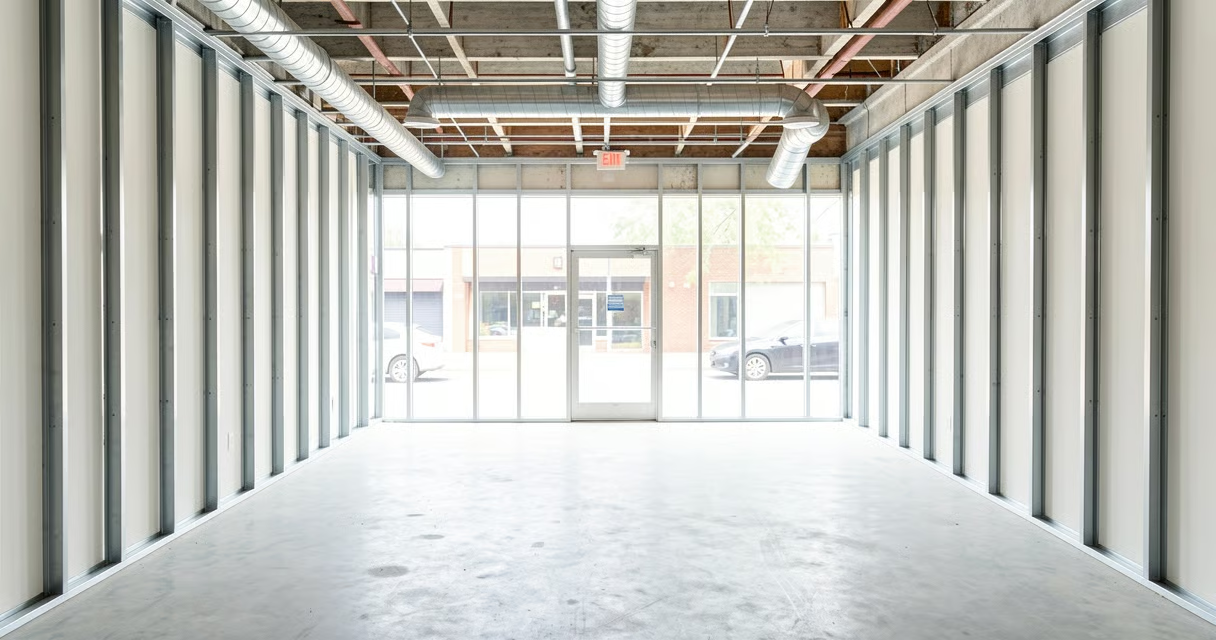
A tenant improvement allowance (TI allowance) is a fixed amount, such as $40 per square foot, that a landlord pays toward building out your space. On a 2,500-square-foot unit, that's $100,000. You or the landlord hire the contractor, and the allowance covers costs up to that cap. Anything above it is yours.
That last sentence is where most tenants get hurt. The allowance looks generous in the letter of intent, then the contractor's bid comes in at three times the number. This guide covers what the money pays for, how it reaches you, and how to get more of it.
What a TI allowance pays for (and what it doesn't)
A TI allowance pays for permanent improvements that stay with the building when you leave. Think walls, ceilings, flooring, lighting, plumbing, HVAC distribution, restrooms and electrical work. These are hard costs, and every lease covers them.
Everything else depends on how the lease defines the allowance. Architect fees, engineering, permits and project management are soft costs. Many landlords cap them at a share of the allowance or exclude them. Furniture, equipment, signage and IT cabling often aren't covered at all unless you ask.
Read the definition before you compare offers. A $45 allowance limited to hard costs can be worth less than a $40 allowance that also pays your architect.
The four ways landlords structure build-outs
Landlords don't all hand you a check. The structure decides who controls the budget, who carries overruns and how fast you open.
| Structure | Who builds | Who pays overruns | Best for |
|---|---|---|---|
| Turnkey | Landlord, to an agreed plan | Landlord | Simple layouts, first-time tenants |
| TI allowance | Usually you, with landlord approval | You | Brands with their own specs and contractors |
| As-is plus free rent | You | You | Second-generation space that needs little work |
| Allowance plus amortized TI | You | You, repaid through rent | Expensive build-outs where cash is tight |
Turnkey sounds safest, and for a plain office suite it often is. The catch is quality. The landlord is paying for every overrun, so the landlord picks the cheapest finish that meets the plan. If you run a restaurant or a franchise with brand standards, you'll want control, which means an allowance.
Amortized TI is extra money the landlord fronts and you repay through higher rent, with interest. It's useful, and it's debt. Treat the interest rate as a term you negotiate.
How the money actually reaches you
Most tenants assume the landlord pays the contractor as work progresses. Many leases say otherwise. The common pattern is reimbursement: you pay the contractor, then submit invoices, paid receipts, lien waivers and a certificate of occupancy, and the landlord pays you back.
That timing creates the real friction. On a build-out that takes several months, you may carry the full cost until you open and finish the paperwork. If your cash is limited, a reimbursement-only allowance can stall the project even when the dollar figure is right.
Watch for three other clauses. A deadline says you lose unused allowance if you don't claim it within a set period. A construction management fee lets the landlord charge for overseeing your work, often a percentage of the job, taken from your allowance. And a default clause may let the landlord withhold payment if you're behind on rent.
Ask for progress payments, ideally monthly against completed work, and for the right to offset rent if the landlord doesn't pay on time. Those two changes matter more to a small operator than a few extra dollars per foot.
How much TI is enough
Start with what the build-out will actually cost. Cushman & Wakefield's 2025 U.S. Retail Fit Out Cost Guide puts the national average for an in-line store at $155 per square foot, up 4% from the year before. It ranges from about $117 in the Southeast to $211 in Northern California.
Run that against the example above. A 2,500-square-foot store at $155 costs about $387,500 to build. With a $40 allowance covering $100,000, you're funding roughly $287,500 yourself. Second-generation space with usable plumbing and HVAC can close much of that gap, which is why existing restaurant and medical space leases fast.
Office tenants face the same squeeze. According to Facilities Dive's summary of Cushman & Wakefield's 2025 office guide, landlords raised Class A improvement packages 7% year over year, but allowances generally still trailed rising fit-out costs. The allowance is the landlord's opening number. Your contractor's estimate is the real one.
How to negotiate a bigger TI allowance
Landlords set TI by working backward from rent and lease term. They're buying a stream of rent, so anything that makes that stream longer, safer or larger gives you room to ask. Here's the order that works.
- Price the job before you sign the LOI. Walk the space with a contractor and get a rough estimate. Without it, you're negotiating against a number you don't know.
- Trade term for dollars. A 10-year lease spreads the landlord's cost over twice the rent of a 5-year one. If you can commit longer, ask for a matching increase in the allowance.
- Ask what the space has cost them. A unit that's sat empty for a year has already cost the landlord a year of rent, taxes and CAM. Long vacancy means more room on TI.
- Convert unused allowance into rent credit. If you come in under budget, ask to apply the remainder to rent instead of losing it.
- Negotiate the amortized TI rate. If you need more than the base allowance, ask for amortized TI at a rate below what your bank would charge. On $50,000 over 10 years at 8%, you'd pay about $607 a month, or roughly $72,800 in total.
- Cap fees and fix the payment schedule. Limit the construction management fee, add progress payments and keep a rent offset for late reimbursement.
Our view is simple. Negotiate TI in the LOI, with a contractor's number in hand. Once the lease draft arrives, most of your leverage has already been used up on rent. Tenants who wait to "sort out the build-out later" are the ones funding the gap.
The tax angle for retail tenants
TI money may count as taxable income to you, depending on how it's structured. There's a specific exception for retail. Under Section 110 of the Internal Revenue Code, a construction allowance on a lease of retail space for 15 years or less isn't counted as your gross income, as long as it's spent on permanent improvements that revert to the landlord when the lease ends.
The exclusion only covers what you actually spend on those improvements, and the lease should state the allowance's purpose. Spend it on furniture or equipment and that portion falls outside the rule. Bring your accountant in before you sign, because how the clause is worded decides the treatment.
Find space that needs less build-out
The cheapest build-out is the one you don't need. On Waltre, you post your space requirement once, including size, use and must-have infrastructure, and verified landlords and brokers bring space that fits, including off-market units that never hit a listing site. If you're replacing an existing location, Stealth Mode keeps the search private from your current landlord. Pair that with what you've learned about triple net and gross leases and reading a lease before you sign, and you'll know your full occupancy cost before you commit.
A TI allowance is part of your rent, paid upfront. Price the build-out first, negotiate the allowance in the LOI and read how the money gets paid. Then sign.
Frequently Asked Questions
What is a typical tenant improvement allowance?
It varies by market, property type and lease length, so there's no single typical number. Get a contractor's estimate for your build-out first, then judge any offer against that cost rather than against other allowances.
Is a TI allowance the same as free rent?
No. A TI allowance pays for construction, while free rent waives rent for a set period. Landlords often trade one for the other, so compare offers by total dollar value over the lease term.
Do I have to pay back a tenant improvement allowance?
A standard TI allowance isn't repaid directly, because the landlord prices it into your rent. Amortized TI is different: it's extra money you repay with interest through higher rent, and some leases require repaying unamortized amounts if you default or leave early.
Can I use my TI allowance for furniture or signage?
Only if the lease says so. Many leases limit the allowance to permanent improvements, so ask for furniture, cabling and signage to be listed as eligible costs in the LOI.
What happens to unused TI allowance?
Unless the lease says otherwise, you usually lose it once the claim deadline passes. Ask for unused allowance to convert into a rent credit.
Is a TI allowance taxable for retail tenants?
Under Section 110 of the Internal Revenue Code, a construction allowance on a retail lease of 15 years or less is excluded from the tenant's gross income when spent on permanent improvements that revert to the landlord. Confirm the treatment with your accountant before you sign.